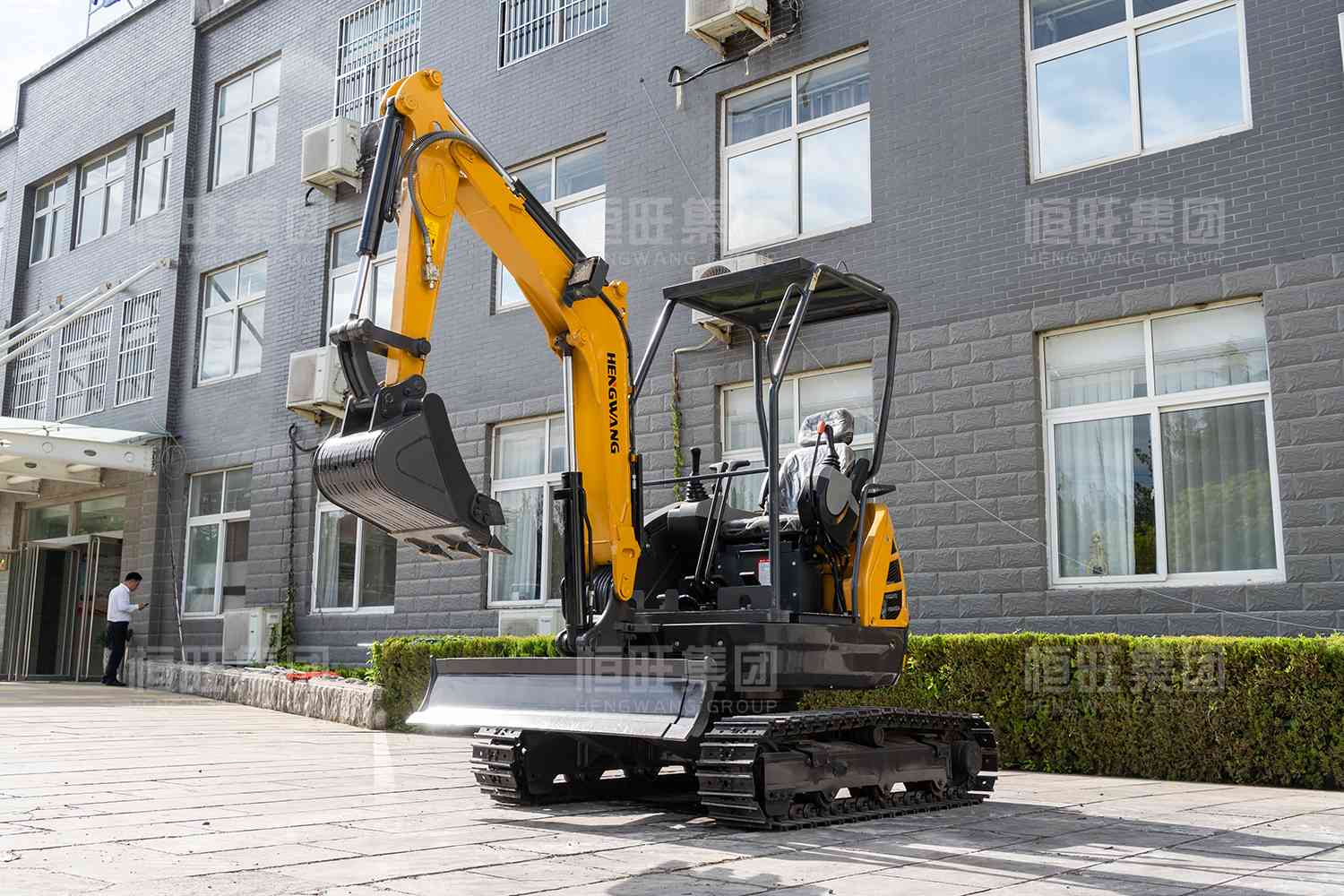
Engine speed drop in small excavators, ranging from minor dips (≤200 RPM) to severe drops (>300 RPM), can hinder operation or cause sudden shutdowns. Here’s a concise breakdown of core causes for quick diagnostics:
1. Fuel Supply Blockage
Clogged fuel filters, leaking joints, or air ingress reduce fuel flow, causing RPM fluctuations under load. Check fuel filters (replace every 500h), fuel pump seals, and tank breather.
2. Hydraulic Pressure Abnormality
Stuck hydraulic pump pistons lead to excessive system pressure, overloading the engine. Accompanied by stalling, verify main pump pressure (28-32MPa) and clean the variable mechanism.
3. Engine Power Loss
Issues like insufficient cylinder pressure (standard ≥12MPa) or poor injector atomization reduce output. Check piston ring wear, valve seals, and injection timing.
4. Poor Fuel Quality
Sulfur-contaminated fuel or water ingress causes injector coking and incomplete combustion. Replace fuel, clean the tank, and use anti-gel additives in cold areas.
5. Air Intake Leaks/Blockages
Clogged air filters or damaged hoses restrict airflow, leading to black smoke and speed drop. Clean filters every 200h and inspect turbo-to-intercooler pipes.
6. Solenoid Valve Misadjustment
Excessive clearance in fuel solenoid valves (standard 0.1-0.3mm) disrupts injection precision. Measure with feeler gauges and replace faulty components.
7. Fuel Line Leaks/Blockages
Loose high-pressure fittings or air in low-pressure lines cause intermittent supply. Tighten clamps (25-30N·m) and bleed the fuel system.
8. Mechanical Complications
Quick Troubleshooting Steps:
Regular fuel system flushes (every 1000h) and hydraulic oil viscosity checks (≥140) reduce failure risks by 60%. Persistent issues require professional engine diagnostics to prevent severe damage like cylinder scoring.